Staircase Building Codes in Victoria: What Architects and Builders Must Know Before Design

In the state of Victoria, staircase building codes are extensive and highly detailed. Stairs are one of the highest-risk areas for falls and accidents, which is why there are hundreds of pages of documentation in the National Construction Code, as well as various Australian standards that dictate every aspect of the design. Adhering to these standards, therefore, involves striking a delicate balance between aesthetics and technical specifications.
From the outset, proper design helps you avoid expensive fixes during the final inspection by a building surveyor. Within this guide, we’ll outline the essential technical requirements for staircase design, focusing on the standards that professional stair builders must adhere to for every project.
Meeting Structural Requirements for Stair and Barrier Design
The primary focus of any staircase design is structural safety. Before the first tread is cut or the first stringer is welded, the structure must be engineered to withstand specific loading forces. These forces are categorised into dead loads (the weight of the staircase itself) and live loads (the weight of people and furniture).
For a commercial staircase in Melbourne, these requirements are significantly higher than for residential builds. Builders must account for concentrated loads where multiple people might occupy a landing area simultaneously. The load-bearing capacity must be verified through structural engineering reports, particularly when dealing with complex designs like a floating staircase. These designs often place immense stress on the wall fixings and internal steel frames, requiring coordination between the architect, the engineer, and the manufacturer.
Barriers, or balustrades, must also be capable of resisting lateral pressure. Whether you are installing timber or a glass balustrade, the balustrade must be rigid enough to prevent deflection when someone leans against it. The Australian Building Codes Board sets clear performance requirements for these elements to prevent structural failure that could lead to a fall from height.
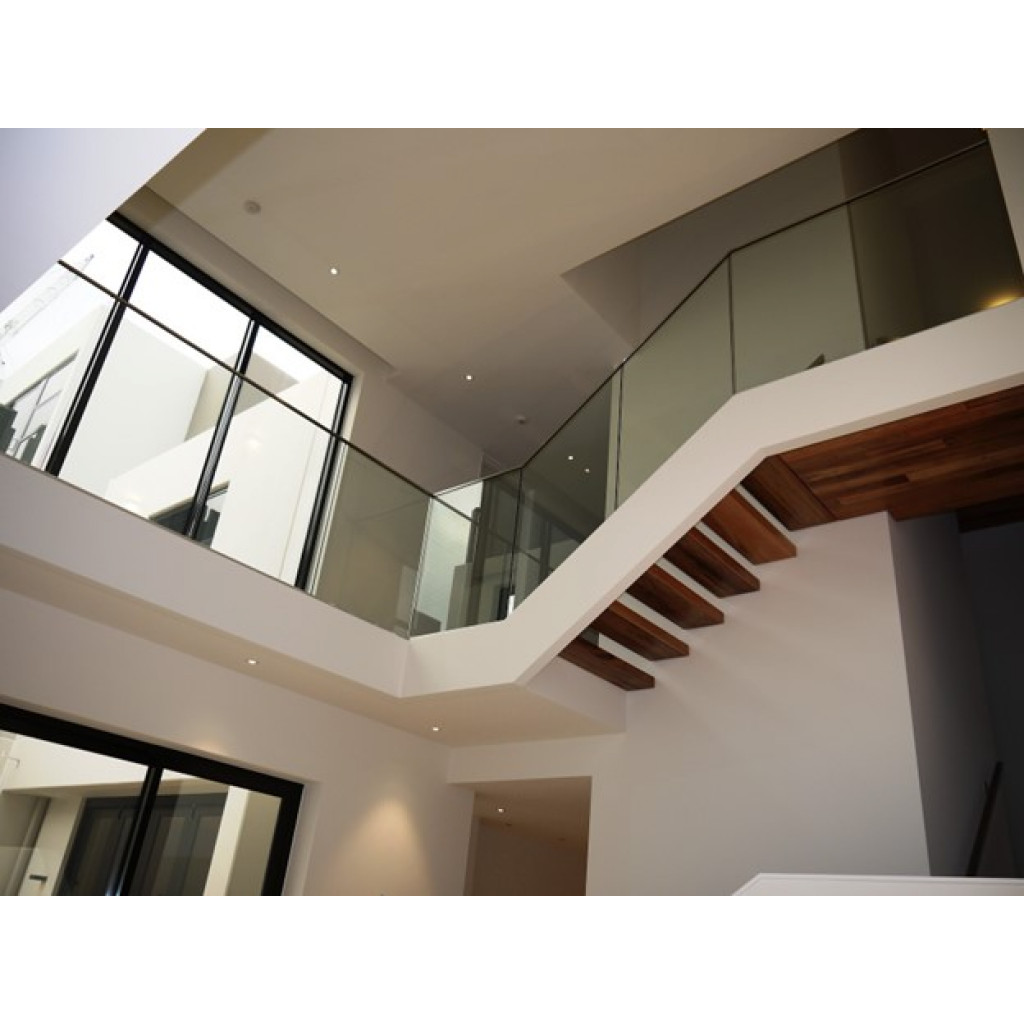
National Construction Code Requirements
The National Construction Code (NCC) is the primary document governing building standards across Australia. In Victoria, the NCC works alongside the state's specific building regulations to ensure that every house and commercial building is safe for occupation.
Architects must integrate these requirements during the pre-concept design and schematic design phases. Failure to account for these requirements can lead to major issues during detailed design, often forcing a redesign of the surrounding rooms or hallways. For a fully documented design to pass the local council requirements and obtain building permits, it must demonstrate a clear path of travel and adherence to safety regulations regarding the height, width, and pitch of the stairs.
Angle and Width of a Stair's Slope
A staircase generally has an angle of pitch between 20° and 45°. If the slope is too steep, it becomes a ladder; if it is too shallow, it becomes a ramp. This distinction is vital for external staircase designs where terrain height might tempt a designer to alter the pitch.
The width of the stairs is also regulated. For most applications, a minimum clear width of 600mm is required between the handrails and guardrails, though commercial accessibility standards often demand 1000mm or more to facilitate two-way traffic or stretcher access in emergencies.
Straight Flights and Landings
Consistency is the most important factor in preventing trips and falls. Straight flights must have a maximum of 18 risers in a single flight. If the vertical rise exceeds this, a landing area must be provided.
The landing must have a length of at least 750mm and should be clear of any door swings or obstructions. This ensures that a person has a safe place to rest and recover should they need to. Taking this into account when drafting building plans can be challenging, as they significantly increase the total horizontal run of the stairs.
Minimum Vertical Clearance
The minimum vertical clearance (headroom) must be no less than 2000mm. This measurement is taken vertically from the pitch line to any overhead obstruction, such as a bulkhead, beam, or the ceiling of the next floor. In contemporary home design, some architects try to squeeze timber stairs into tight voids, which can result in a clearance that feels claustrophobic or violates the National Building Code.
Risers and Going Dimensions
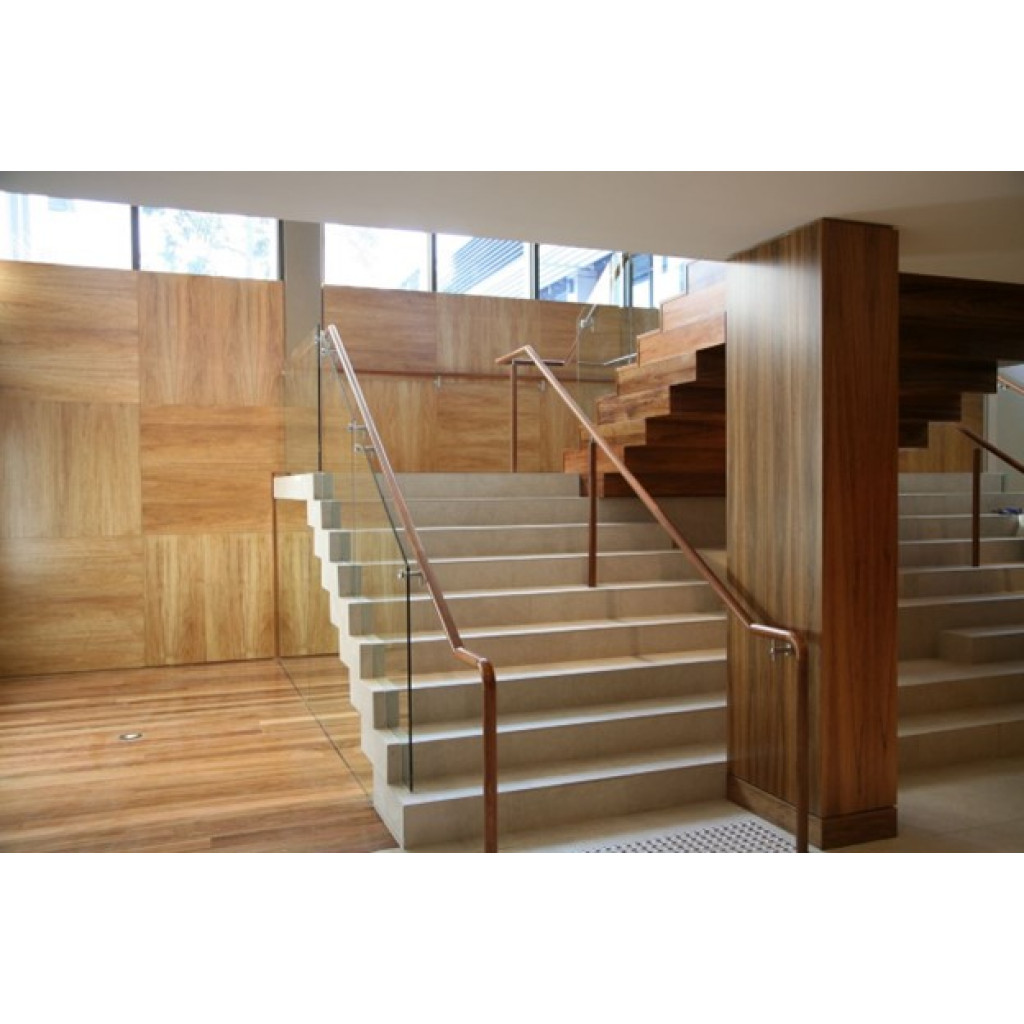
While laypeople may not know what a riser or going is, they have likely experienced the effect of a mismatch or variance. The riser dimension is the height between consecutive treads, while the going dimension is the dimension from the front to the back of a tread. These dimensions are designed to match the natural human gait.
The 2R + G formula is a mathematical check to ensure the staircase is neither too steep nor too shallow. If the combination of two risers and one going falls outside the 550mm to 700mm range, the staircase is deemed non-compliant and unsafe. In addition, the dimensions must be constant throughout the flight. A variation of even 5mm between one tread and the next can create a significant trip hazard, as the brain expects a rhythmic, identical step height.
Stair Construction and Slip Resistance
Safety standards extend beyond the dimensions of the steps to the surface of the materials and construction. As slipping is a leading cause of domestic injury, there are many regulations around the materials which can be used.
In Victoria, the NCC requires that all treads have a slip-resistant finish or a non-slip strip near the edge of the nosing. This is particularly important for floating stairs made of polished timber or steel staircase treads. For stairs where the floor surface is likely to be wet, such as an outdoor external staircase, higher slip-resistance ratings (P4 or P5) are required.
Open risers are permitted in many residential designs, but they must comply with the 125mm sphere rule. This rule states that a 125mm diameter sphere must not be able to pass through any opening between the treads. This is a critical child safety measure to prevent small children from falling through the gaps in the staircase.
Barriers, Handrails, and Glazed Barriers
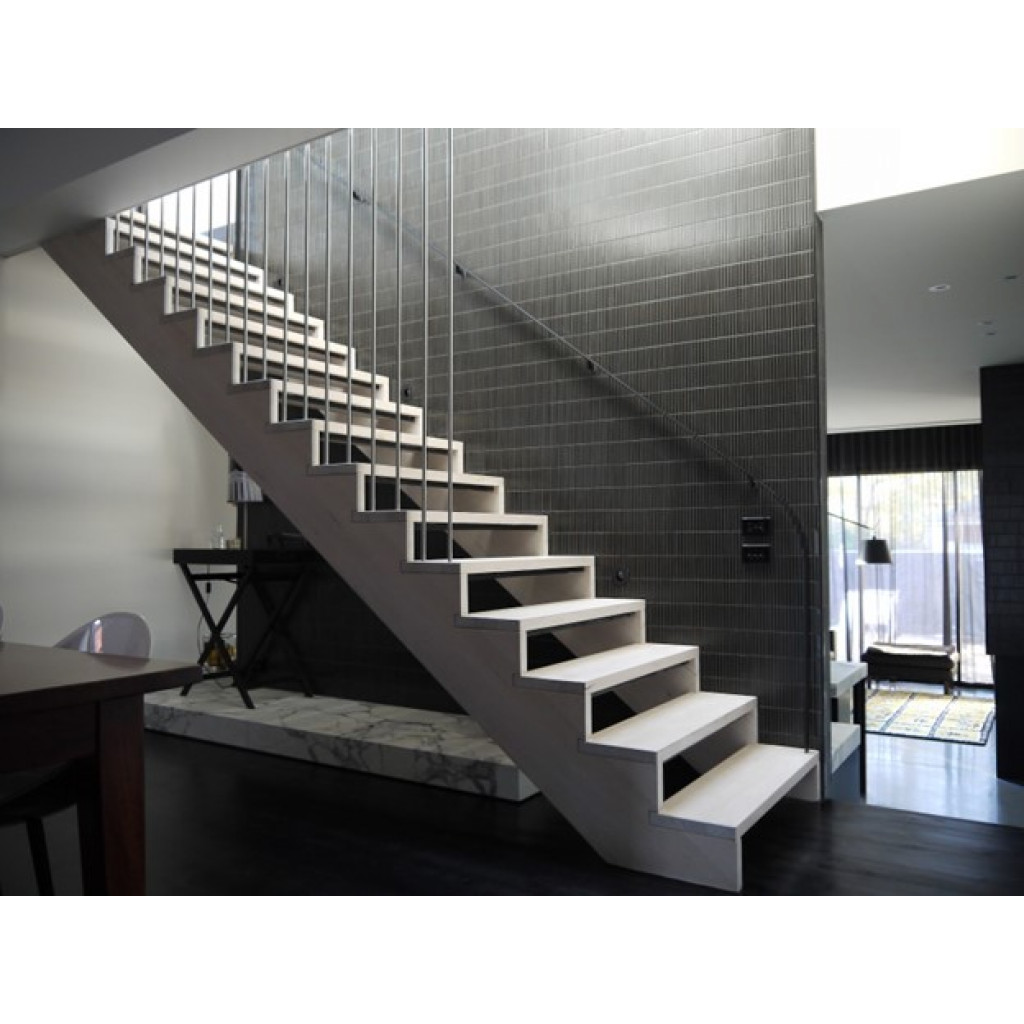
A staircase is incomplete without a compliant stair balustrade. The NCC dictates that any staircase with a height of more than 1000mm must have a continuous barrier.
- Balustrade Height: The barrier must be at least 865mm high above the nosing (front edge) of the treads, and 1000mm high on landings.
- Non-Climbable Zone: For stairs with a fall of more than 4000mm, the barrier must not have any horizontal elements (like wires or rails) between 150mm and 760mm above the floor, as these can be used by children as a ladder.
- Glazed Barriers: If using glass, glazed barriers must be made of toughened or laminated safety glass. They must comply with AS 1288, which specifies the thickness and type of glass based on the potential impact and height of the fall. Stainless steel fixings and channels are often used to secure these panels, providing both strength and a modern aesthetic.
Special Considerations for Spiral Stairways and Winders
When space is at a premium, architects may turn to spiral stairways or winder treads. While these are efficient, they have their own set of building standards.
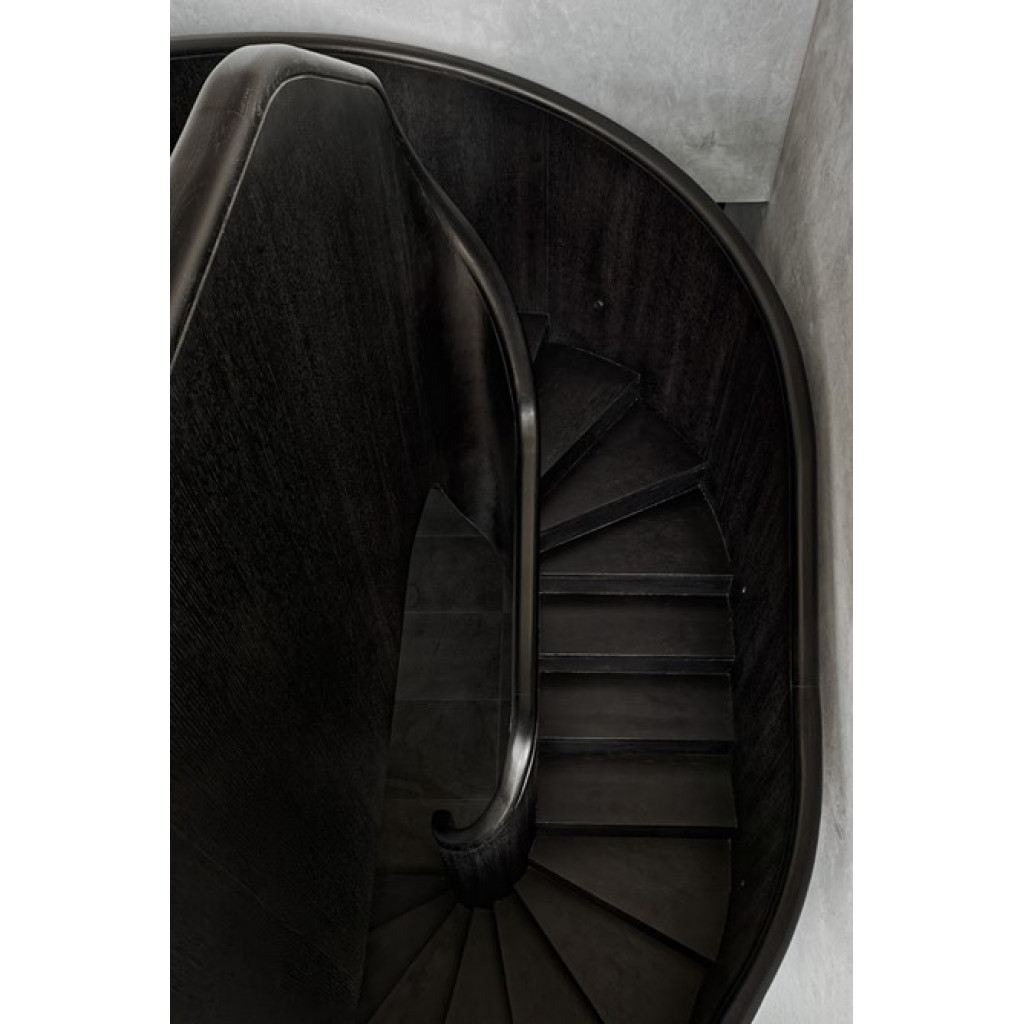
Winders are triangular treads used at a turn in the staircase. The NCC requires that the going of a winder is measured 270mm from the narrow side of the step. This measurement must match the going of the straight treads in the rest of the flight. For spiral designs, the narrow end of the tread must still provide enough surface area for a safe foothold, often requiring a central pole that is wide enough to facilitate a compliant tread shape.
How Partnering with Eric Jones Stairbuilding Can Help
The complexity of these codes means that mistakes are common when stairs are treated as an afterthought in a building contract. Engaging professional stair builders during the early master planning phases can save months of delays and additional cost.
At Eric Jones Stairbuilding, we provide expert design coordination for architects and builders across Melbourne. By getting involved at the detailed design stage, we ensure that every element is fully compliant with the NCC and all relevant Australian Standards.
For a commercial staircase in Melbourne, we understand the increased pressure of accessibility and fire safety requirements. We conduct landing area calculations and integration of safety rails that meet the specific needs of public access.
When a home owner or developer wants a high-end floating staircase or a complex glass balustrade, structural integrity and vibration control become major engineering challenges. We have significant experience with these more difficult builds, providing peace of mind that the final product will not only look stunning but also be a structurally sound and fully compliant part of the building.
Whether you are working on a heritage renovation with traditional timber stairs or a modern multi-residential project requiring contemporary staircases, the focus remains on precision. By combining decades of craftsmanship with a thorough knowledge of Victorian building codes, we help bridge the gap between creative vision and the practical realities of safe construction.
Contact Eric Jones Stairbuilding today to discuss your vision and learn more about how we can make it a reality.

