Steel vs Timber vs Glass: Which Staircase Material Is Best for My Project?
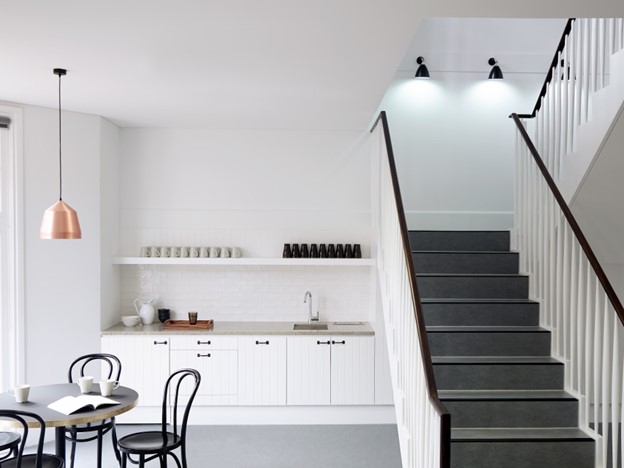
For architects, developers, and builders, the staircase is often the most complex structural element in a residential or commercial floor plan. It is a high-traffic area that must balance aesthetics and strict building codes. At Eric Jones Stairbuilding, we are staircase manufacturers and designers with nearly 75 years of experience in providing the technical expertise required to execute ambitious designs, while maintaining structural integrity and cost-efficiency.
Choosing between timber, steel, and glass requires taking into account aesthetics, the properties of the materials, manufacture methods, and installation quality. In this guide, we’ll examine these materials through the lens of both professional project management and architectural design.
Initial Considerations: Staircase Types
The footprint of a home’s staircase dictates the available creative possibilities. Optimising this footprint is essential for maximising floor area ratio, while also considering the appearance of the stairs as an architectural feature.
Straight Staircases
Straight staircases remain the standard for cost-effective design. They require the simplest support structure and offer the most predictable installation timeline. While they occupy a longer linear footprint, they are ideal for minimalist designs and narrow hallway configurations where a direct path between floors is preferred.
L-Shaped Stairs
An L-shaped staircase involves a 90-degree turn, typically at a landing. This layout is often preferred in medium-density developments as they take up two shorter walls in a corner rather than a significant amount of single wall space. From a safety perspective, the landing provides a resting point and reduces the distance of a potential fall, which is a significant consideration in residential home design.
U-Shaped Stairs
U-shaped stairs consist of two parallel flights of stairs joined by a landing that creates a 180-degree turn. This layout is excellent for fitting a staircase into a shorter, wider space. We often see this design used to create a more compact stairwell, allowing for more efficient use of the surrounding floor space.
Winder Staircases
Winder staircases are a space-saving variation of the L-shape. Rather than a flat landing, the turn is created with triangular steps known as winders. While they save considerable floor space, they require rigorous attention to building regulations regarding the stairs walking line to ensure the tread width remains safe for users.
Spiral Staircases
For ultra-compact urban dwellings or secondary access points, an industrial spiral staircase revolving around a central pole provides the most efficient use of space. The structural limitations of a spiral stair mean they are often fabricated from steel to maintain a slim profile while meeting load-bearing requirements.
Helical Stairs and Curved Staircases
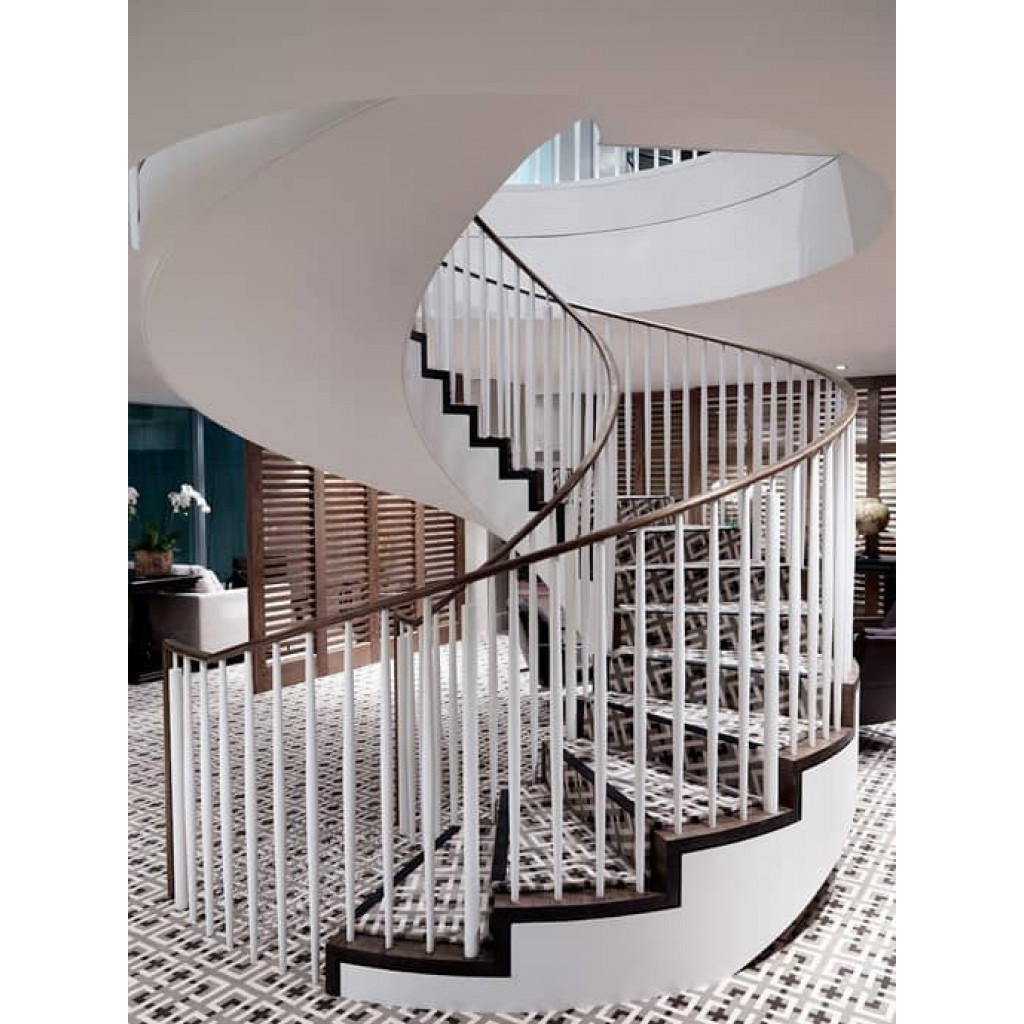
Where a project demands a statement piece, helical stairs offer fluid, sweeping lines without a central pole. These are common in grand entrances and high-end commercial spaces. Achieving these sculptural shapes requires advanced manufacturing methods, often involving steam-bent timber or precision-curved steel stringers.
Bifurcated Stairs
Usually found in grand entrance halls, bifurcated stairs start with one wide flight at the bottom and split into two narrower flights at a landing, heading in opposite directions. This layout is a major architectural feature that demands a significant footprint and a robust support structure.
Timber Staircases
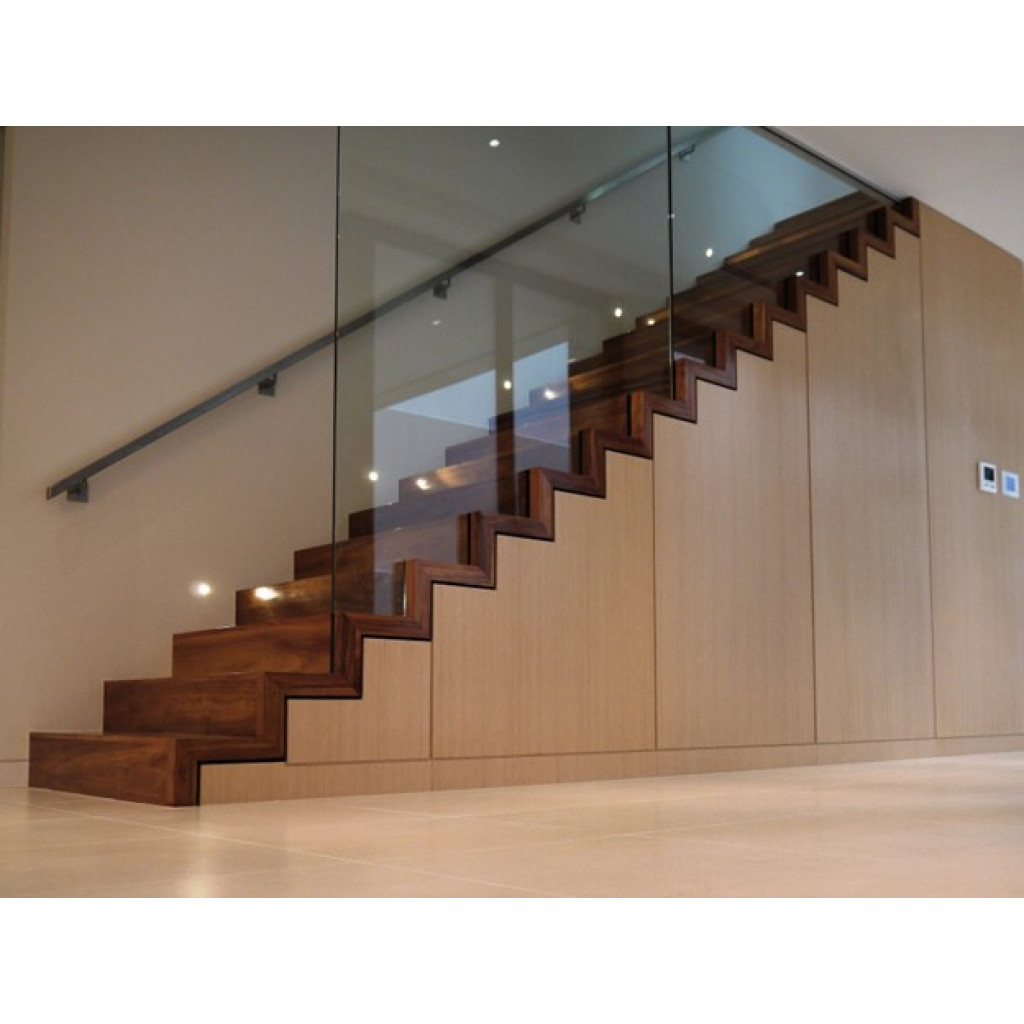
Timber remains a staple for staircases due to its reliability and the ease with which it meshes into a wide variety of decors.
Timber provides a high strength-to-weight ratio and natural acoustic insulation, which is vital in multi-residential projects to reduce noise transfer between floors. Various species such as Victorian ash, spotted gum, or jarrah can be used to match the stair treads perfectly to the wider interior palette.
Timber offers a predictable lead time and a finish that appeals to a broad market. Whether the design calls for traditional closed risers or a more modern timber staircase with open risers, the material remains a cost-effective solution for high-volume builds. Timber’s ability to be refinished provides long-term value, allowing the structure to be updated as interior trends evolve without requiring a full structural replacement.
Glass Staircases
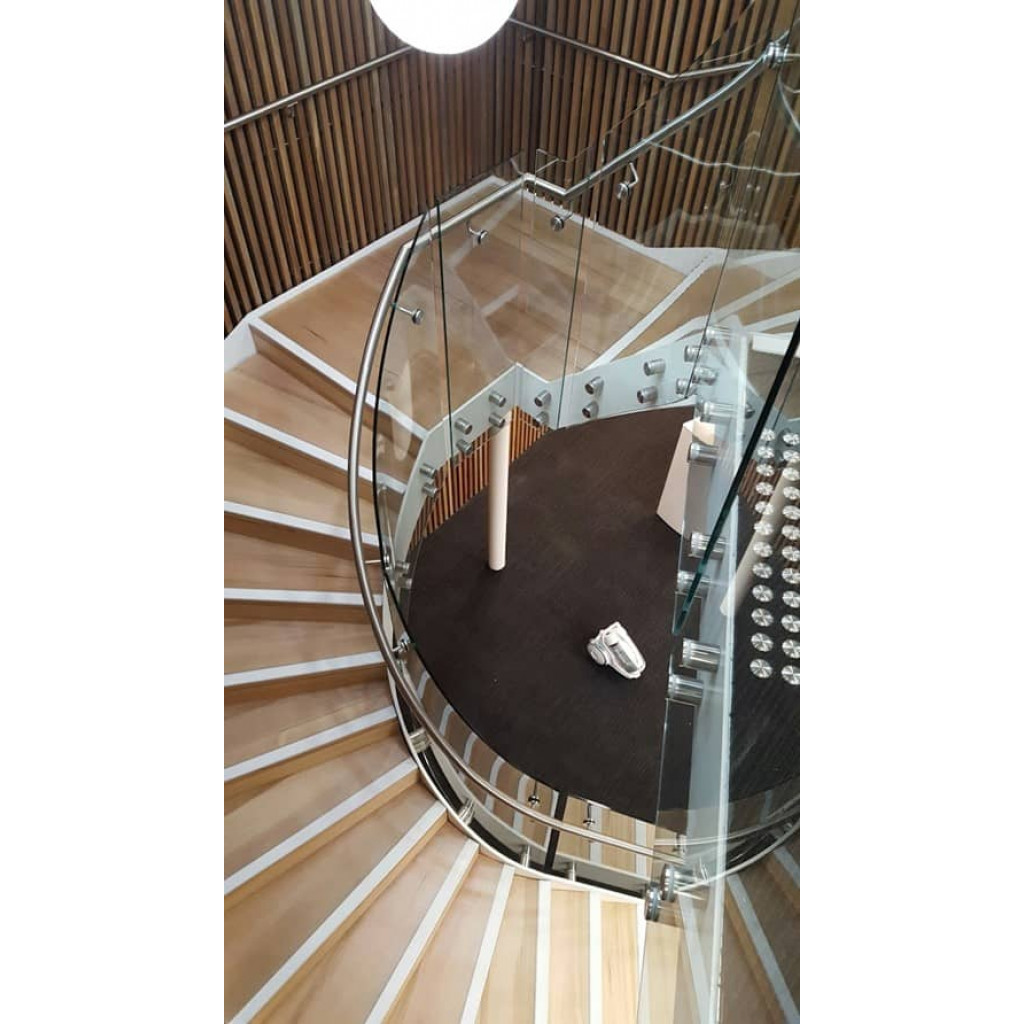
In contemporary architectural design, natural light is a highly sought-after feature. A glass staircase serves as a functional tool for light distribution.
Designing glass balustrades requires a proper understanding of the Australian building codes. We use toughened safety glass to meet all impact requirements. For high-end residential or commercial projects, glass stair treads can be used to create an incredibly striking effect. To ensure safety, these must be engineered with non-slip coatings or acid-etched patterns to provide necessary traction.
The use of glass panels allows architects to create a sense of volume and light in spaces where a solid structure would feel closed off. From an installation standpoint, glass requires precision hardware, such as standoff pins or base channels, which must be accounted for during the structural phases of the build.
Steel Staircases
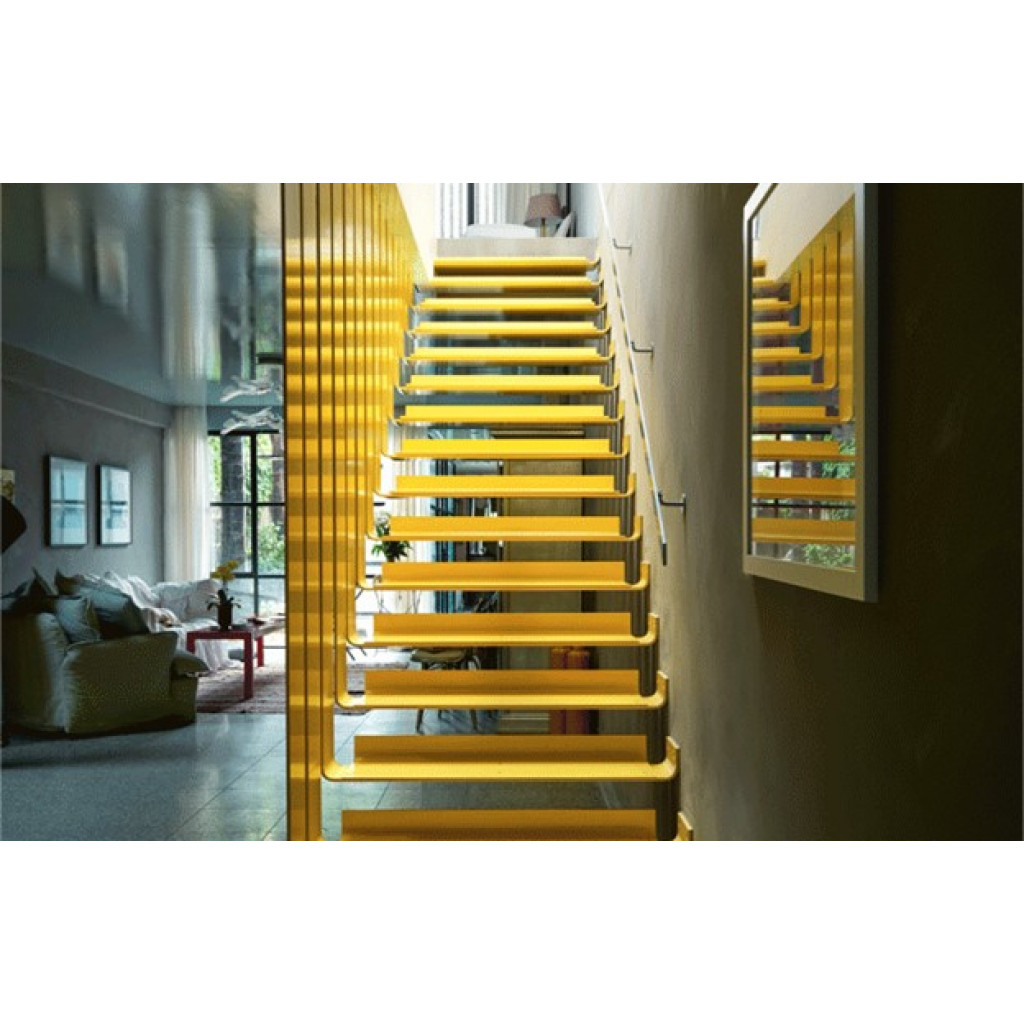
Steel is the preferred medium for projects requiring high load capacity and slim structural profiles. Its rigidity allows for slender sculptural shapes that would be impossible with timber alone.
The inherent strength of metal staircases allows for the creation of a floating staircase, where the support structure is concealed within the wall or limited to a single central stringer. This is particularly useful for architects aiming for an ultra-modern or futuristic aesthetic. While you may think of an all-steel staircase as a material better suited for outdoor use, our Middle Park House project perfectly illustrates the incredible versatility of steel.
Steel offers exceptional durability and fire resistance, which are often requirements for commercial builds. When used for an external staircase, steel treated with powder coating or high-grade stainless steel provides long-term corrosion resistance. This reduces the maintenance burden for the end-user and ensures the structure remains compliant with safety standards for decades, even in harsh environments.
Mixing Materials for the Ultimate Result
The most successful contemporary stairs in the current market are hybrid systems. Mixing materials allows designers to leverage the unique benefits of each while offsetting their individual limitations.
Examples of Mixed Builds
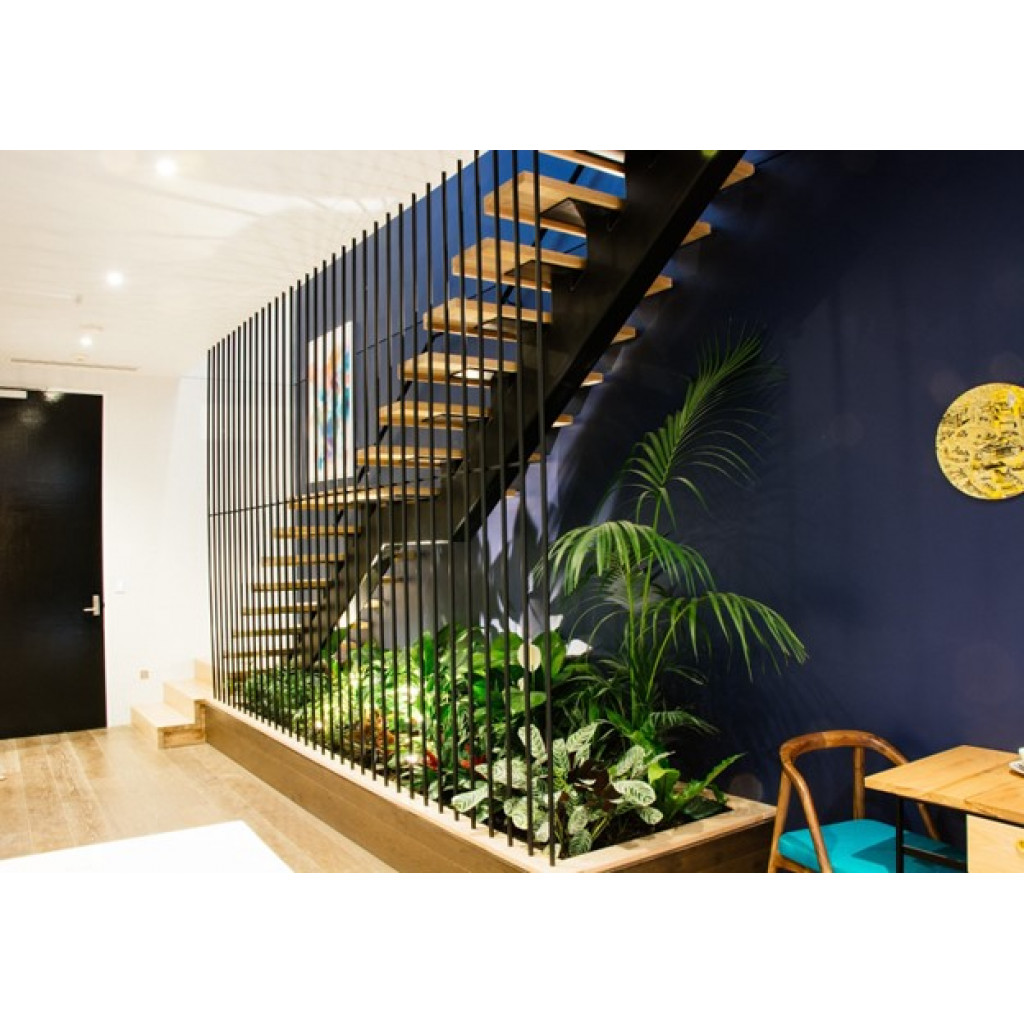
- Steel and Timber: Provides the rigid support of metal supports with the warmth and acoustic benefits of timber treads. This is a common design for high-traffic residential homes.
- Glass and Stainless Steel: Using a stainless steel stair balustrade with glass infill panels creates a sleek, industrial finish that is both robust and visually light.
- Cantilevered Floating Stairs: Often utilise a concealed steel core with timber "sleeves" for the treads and a frameless glass balustrade for safety.
These combinations allow developers to deliver a premium product that feels custom-made while adhering to the practicalities of modern construction schedules. Hybrid designs also allow for more flexibility in the building phase, as a steel skeleton can be installed early as a work stair and finished with timber and glass at a later stage.
Navigating Building Regulations and Compliance
For professionals, the most significant risk in staircase design is non-compliance with building codes. Our team of experts have extensive training and knowledge, so that every project meets the following:
- Load Distribution: Ensuring the support structure can handle live loads as specified for residential or commercial occupancy (measured in kPa).
- Headroom Clearances: Precise calculation of the pitch and travel to maintain a minimum of 2 metres of clear headspace at all points of the ascent.
- Gap Spacing: Ensuring no gaps in the balustrade or between treads allow for the passage of a 125mm sphere, a non-negotiable safety requirement to prevent serious danger to children or pets.
- Slip Resistance: Meeting P4 or P5 ratings for treads, particularly in commercial or external applications, often through the use of mechanical grooves or applied grit finishes.
Cost-Benefit Analysis
When advising clients, builders and developers must weigh initial costs against long-term maintenance and market appeal. While a timber staircase often presents the lowest initial capital expenditure, the durability of steel and the high-end appeal of glass can lead to a higher return on investment for premium properties.
The "speed of build" is a factor that is often overlooked. Pre-fabricated steel stairs can be installed in a fraction of the time required for on-site timber joinery, potentially shaving days off a project timeline and reducing labor costs.
Partner With Eric Jones Stairbuilding for Stair Design and Construction in Melbourne
The difference between a standard staircase and a true architectural feature lies in the details; the manufacture methods, the quality of the joins, and the precision of the installation all make a difference. For architects and builders, partnering with a specialist manufacturer ensures that structural limitations are identified early in the design phase, preventing costly variations later in the project.
At Eric Jones Stairbuilding, we provide the technical support and craftsmanship required to bring complex visions to life. From feasibility assessments to initial drafting and 3D modeling to the final onsite installation, we focus on delivering a result that enhances the building's value and exceeds client expectations.
To schedule an initial consultation and discuss your vision with the leading experts, contact Eric Jones Stairbuilding today.

